
By Emily Rodriguez
Across continents and borders, several global trends are unfolding—complex, interconnected developments that are reshaping international relations, economies, and daily lives. These are stories still in motion, but already with deep implications for security, equity, and our shared environment.
Escalating Conflict and Diplomatic Pressure
Multiple wars continue to dominate the international stage. The Middle East remains heavily destabilized, with clashes involving Israel, Iran, and other regional powers drawing global concern not only for their immediate humanitarian toll but for their effect on energy supplies and refugee flows. Meanwhile, the war in Ukraine persists, drawing in diplomatic efforts to halt the violence even as its ripple effects are felt across Europe.
At the same time, calls for stronger enforcement of international law are growing louder. Institutions like the International Criminal Court—and organizations defending human rights—are under pressure as non-state actors and states alike either bypass legal norms or challenge accountability mechanisms.
Economic & Climate Stressors—and Their Interplay
Supply chains remain fragile in many sectors, from agriculture and energy to medical goods. Rising fuel costs and disruptions in shipping lanes—often due to conflicts—are tightening economic margins globally. Those pressures are causing ripple effects in inflation, food access, and public dissatisfaction.
Climate risks are amplifying everything. Stronger weather variations—especially influenced by evolving El Niño patterns—are increasing the frequency of extreme storms, droughts, and heat waves. These not only strain local infrastructure but deepen inequalities—particularly for people in regions with fewer resources to adapt.
Human Rights, Governance, and the Multipolar World
Public outcry is rising in places where inequalities, authoritarian crackdowns, or corruption are perceived as unaddressed. From urban protests to digital activism, citizens in many countries are demanding more transparent, accountable governance.
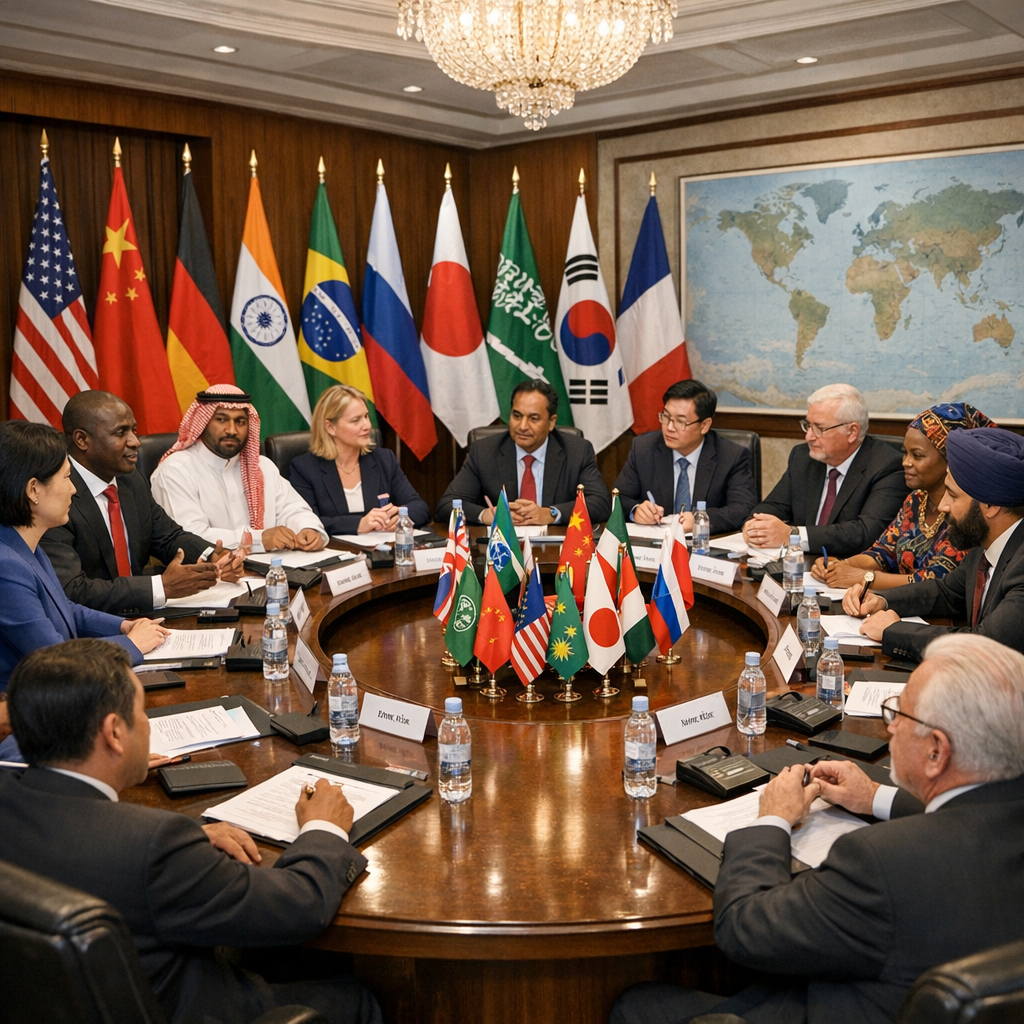
Meanwhile, global power dynamics are shifting. While the United States, China, and the European Union remain central players, regional actors in Africa, Latin America, and Asia are increasingly asserting influence. Trade blocs, environmental coalitions, and new diplomatic alignments reflect a multipolar world where collaboration and rivalry coexist.
What It Means for San Diego—and for Us
Though half a world away, these shifts touch lives in San Diego. Migrant flows, global health risks, energy prices, climate instability, and trade decisions all circle back to our city—in materials we use, the food we eat, and the policy decisions we make.
Understanding these global currents helps us navigate our role—whether through policy advocacy, civic engagement, or fostering community resilience. The challenges are daunting; the opportunity to shape a more just and stable future remains real.